High‑quality, long‑lasting heating solutions with maximum comfort
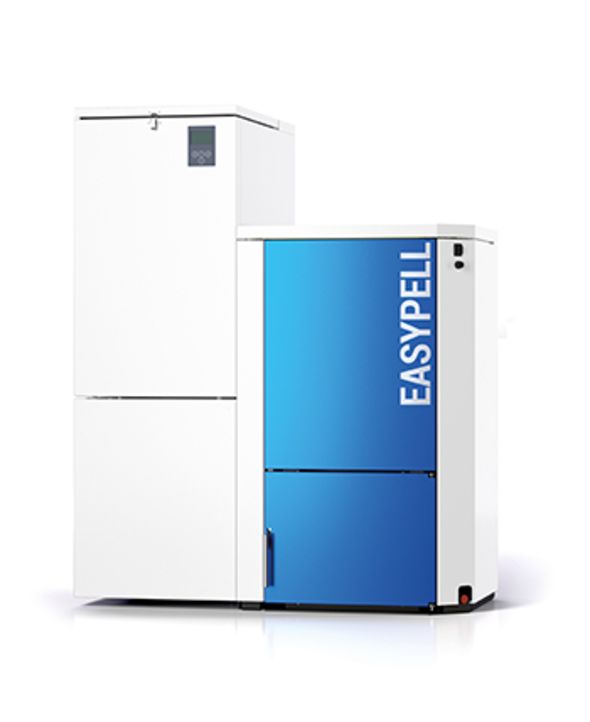
Easypell provides durable heating systems that combine Austrian quality, low maintenance, and effortless everyday comfort. Whether you choose a pellet boiler, a wood boiler or a heat pump, all Easypell products are built for decades of reliable performance. Thanks to smart controls and straightforward installation, homeowners enjoy warm, comfortable living with minimal effort and maximum dependability.
What makes EASYPELL unique




High‑tech made simple
We wanted a solution that works reliably, is high-value, and stays simple to set up and operate. Since 2013, we have stood for high quality, reliability, and innovation. With more than thirty years of pioneering ÖkoFEN research behind it, the system has been refined to be as effortless as possible. Its components offer a lifespan of 15 years and more, low maintenance costs, and long‑lasting parts — with spare parts always available. Today, we provide solutions in many countries, tailored to different needs.
Our brand stands for comfort and sustainability without unnecessary complexity — for people who want warmth, not effort, and for installers who value fast, stress‑free commissioning and proven quality without technical hassle.
What Sets Our Technology Apart




REFERENCES - ALL OVER THE WORLD
OUR PRODUCTS

FAQ: WHY SHOULD WE CHOOSE AN EASYPELL HEATING SYSTEM?
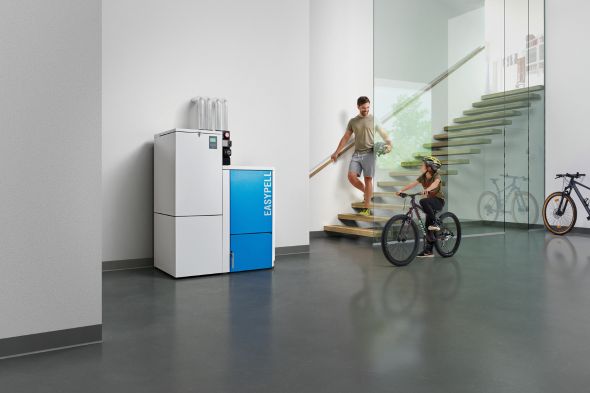
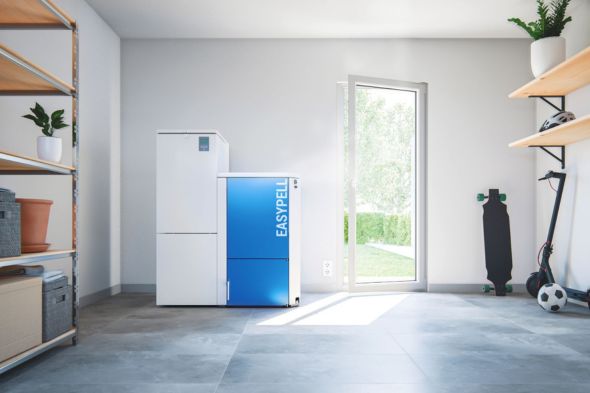
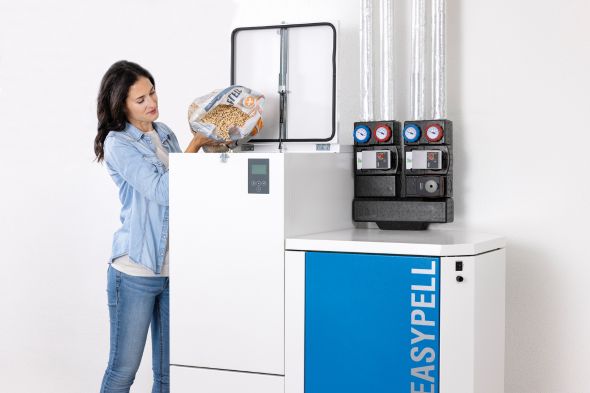
There are numerous advantages to choose an EASYPELL pellet boiler as your heating system. The EASYPELL boiler ensures an excellent job thanks to its constant monitoring of combustion. This automatically saves fuel and reduces emissions to a minimum.
The boiler does not require adjustments or calibrations and works only when necessary, simply add pellets and that’s it. It can be used for all types of heating (floor, radiators, wall, …) with or without buffer tank, as well as the production of domestic hot water. The boiler works without cleaning or maintenance requirement for a full heating season.
EASYPELL is a reliable, automatic and economical pellet boiler. Made in Austria by a company of the prestigious manufacturer ÖkoFEN, to ensure you a trouble free winter in a heated house.
The pellet boiler is a long-term sustainable heating method because wood pellets are a renewable natural energy that will still be available to future generations, unlike oil, gas or uranium.
More wood is planted than cut in European forests. Therefore pellets, "energy concentrates from solar energy" made of wood waste, have revolutionized heating in a sustainable way.
As the trees grow, they fix exactly the amount of CO2 they then release during combustion. This combustion does not release more CO2 than the natural degradation of wood in our forests. As long as the surface area of our forests does not decrease, the cycle is positive. This is the case in Europe and most of the world, where the surface area of forests increases year after year, even with a strong development of wood energy.
Burning wood in a pellet boiler is therefore one of the best alternatives to fuel/gas and electricity to ensure the energy transition and protect the climate. Wood pellet is a CO2-neutral fuel!
Wood is a renewable raw material and a manly local product. Today, most of the wood pellets are produced in the own or neighbour countries sawmills. With your pellet boiler, you contribute to strengthening the local wood sector, and you benefit from a fuel based on short and local circuits. With wood pellets, your pellet boiler does not depend on international crises and geopolitical developments.
European wood reserves increase each year by about 770 million m3, of which only two thirds are currently being harvested. The supply of wood pellets therefore remains secure in the long term, even with a sharp increase in demand.
The global wood pellet production has steadily increased from about 2 million metric tons in 2000 to some 55.7 million metric tons in 2018. It has been projected that wood pellet production in Western Europe alone will reach 13 million metric tons by 2020. The importance and the growth of the wood pellet industry in Europe are apparent. Markets such as those in Austria and Sweden are already well-established but continue to grow; other new markets are also emerging across Europe. As of 2018, the EU-28 produced some 16.9 million metric tons of wood pellets, accounting for about 30 percent of the global production.
The wood pellet boiler is the most economical heating method compared to fuel oil, gas or electricity. Just compare prices: wood pellets are the cheapest energy according to the statistics almost all over the world. This has been the case for many years. In addition, the pellet boiler benefits from the very high price stability of the pellet: no yo-yo on prices due to some uncontrollable political or commercial situations. Wood pellets are always available in your area at a very stable and reasonable price.
Wood pellet is only composed of natural wood residues from sawmills, mainly sawdust and shavings, or wood that is difficult to use in construction. The species used are mainly softwood, but also increasingly hardwood. Small quantities (1%) of exclusively vegetable raw materials, such as corn starch, could be added to facilitate compression.
Those wood residues are dried and crushed if necessary. The dry "flour" obtained is then pressed in a die from which it emerges in small sticks. Wood pellets are certified, mainly under ENplus A1 norm, and a strict control ensures a high-quality fuel for heating your home with a very low environmental impact. The very low ash content ensures a very efficient fuel, were ashes are ideal as fertilizer for the garden. So, no waste for the environment is produced.
Stocks are quantifiable. Oil must be extracted under increasingly difficult conditions. Price trends are thus highly variable, and security of supply is further complicated by the unstable political situation in many producing countries. In addition, oil and gas, which are mainly responsible for global warming, are doomed to be discouraged from being used.
With your wood pellet boiler, you are assured of using clean, renewable and long-term available energy.
The physical process causes the refrigerant to condense back into a high-pressure liquid.
Here are some key points to consider when comparing heat pumps and air conditioners:
Air conditioners, on the other hand, only offer cooling. If you need both heating and cooling throughout the year, a heat pump can be a more versatile and cost-effective solution.
- Renewable Energy Source:
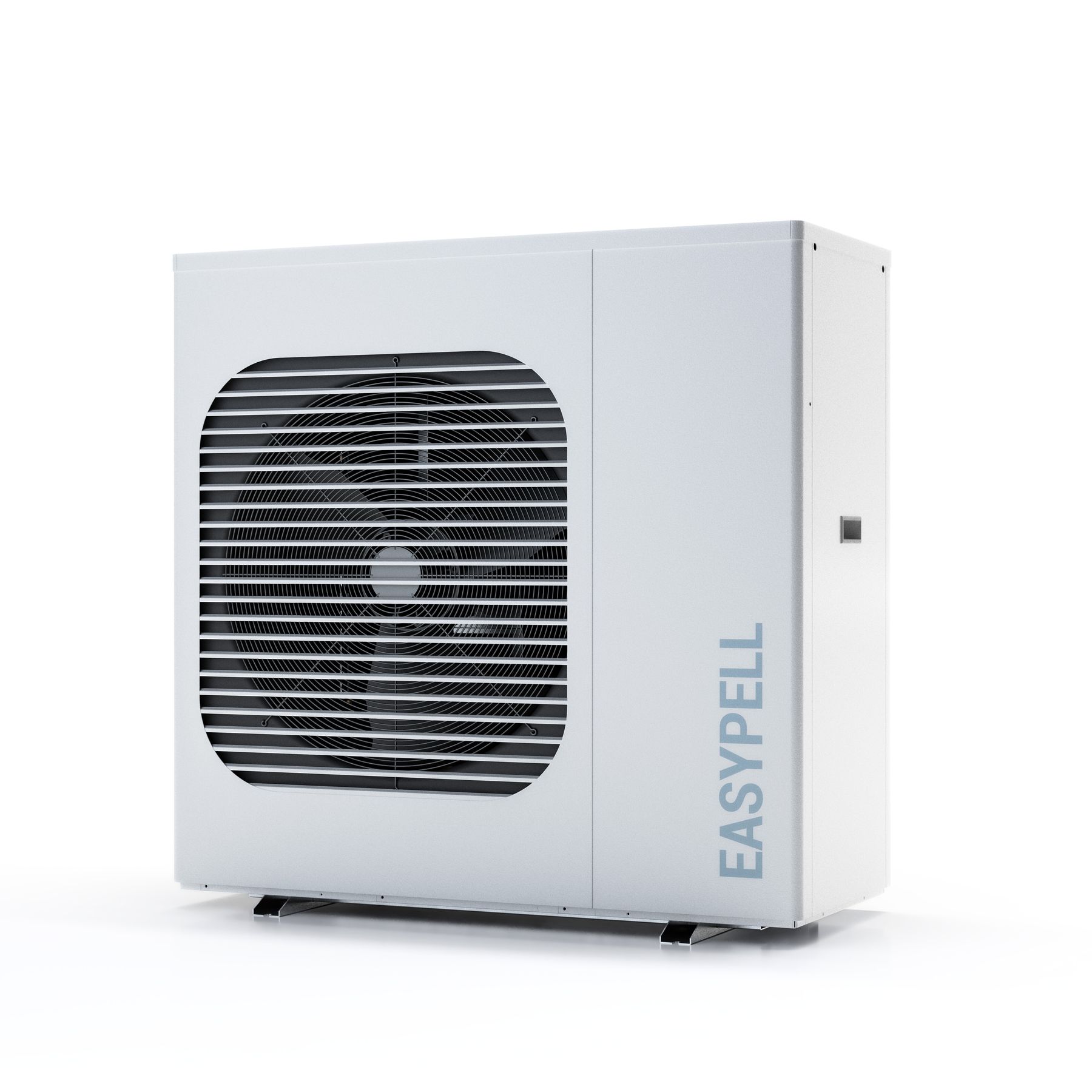
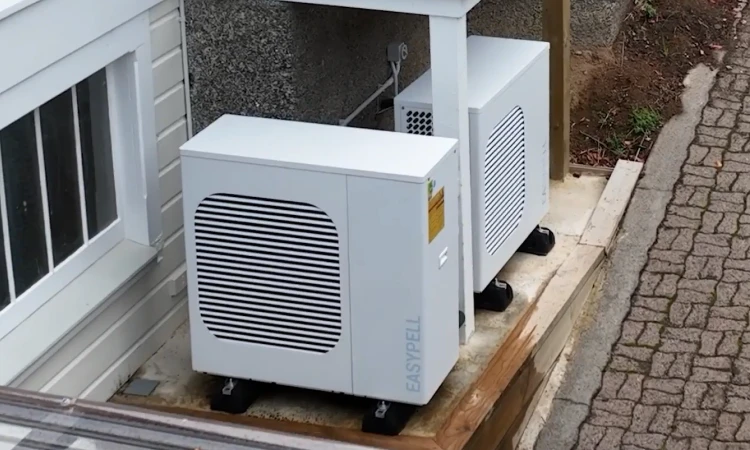
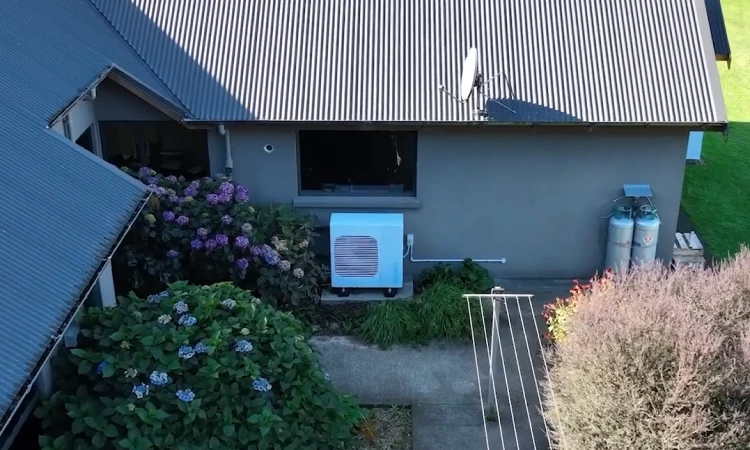
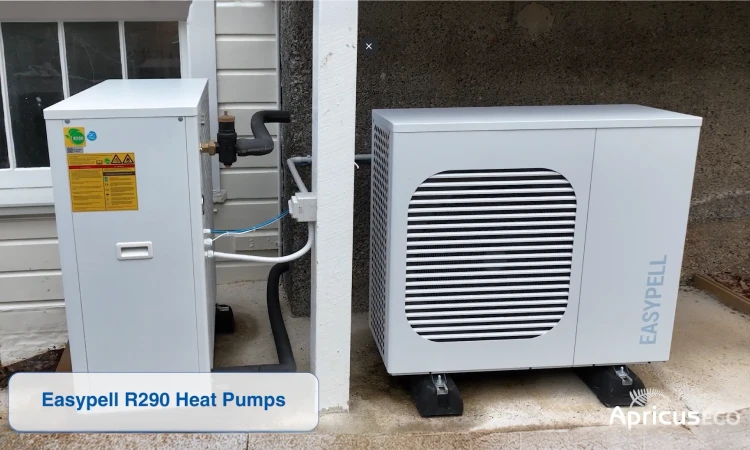
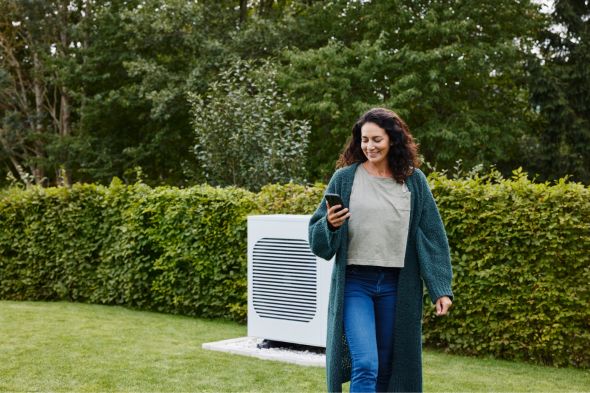
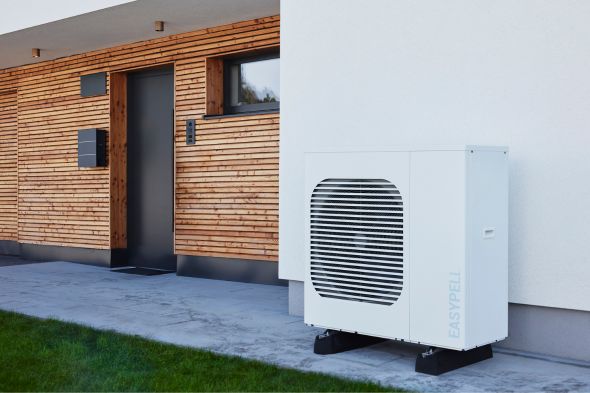
Air source heat pumps extract heat from the outdoor air, which is a renewable resource. Unlike fossil fuel-based heating systems, ASHPs do not rely on the combustion of non-renewable resources to generate heat. - Reduced Greenhouse Gas Emissions:
ASHPs use electricity to power the compressor and other components in the system. If the electricity comes from renewable sources such as wind, solar, or hydropower, the overall carbon footprint of the heat pump can be significantly lower compared to traditional heating systems that rely on burning fossil fuels. - High Energy Efficiency:
ASHPs are known for their high energy efficiency. They can provide more heat energy than the electrical energy they consume, making them an efficient option for space heating. This efficiency contributes to lower energy consumption and reduced environmental impact. - No On-Site Combustion:
Unlike gas or oil-based heating systems, ASHPs do not involve on-site combustion. This eliminates the direct emissions of pollutants and particulate matter associated with burning fossil fuels for heating. - Versatility and Dual Functionality:
ASHPs can provide both heating and cooling functions, making them versatile throughout the year. This dual functionality can lead to a reduction in the need for separate heating and cooling systems, further contributing to energy savings. - Incentives and Support:
In many regions, governments and local authorities offer incentives and support for the installation of air source heat pumps as part of efforts to promote renewable energy and reduce carbon emissions. - Decreased Reliance on Fossil Fuels:
By choosing an air source heat pump, homeowners and businesses can reduce their dependence on fossil fuels for heating. This shift contributes to overall efforts to transition to cleaner and more sustainable energy sources.
- Energy Efficiency:
ASHPs are known for their high energy efficiency. They can provide more heating or cooling energy compared to the electrical energy they consume. This efficiency contributes to lower energy bills and reduced environmental impact. - Renewable Energy Source:
ASHPs extract heat from the outdoor air, which is a renewable resource. Unlike systems that rely on the combustion of fossil fuels, ASHPs use electricity to transfer heat, making them a more sustainable option. - Versatility:
ASHPs can provide both heating and cooling functions. This dual functionality eliminates the need for separate systems, such as furnaces and air conditioners, and provides year-round comfort. - Lower Carbon Footprint:
The carbon footprint of an ASHP can be further reduced if the electricity used to power the system comes from renewable sources, such as wind, solar, or hydropower. This is an important consideration for overall environmental impact. - Safety:
ASHPs operate without on-site combustion, reducing the risk of accidents related to gas leaks or carbon monoxide emissions. They are generally considered safer than systems that burn fossil fuels for heating. - Reduced Heating Bills:
While the initial upfront cost of an ASHP installation can be higher, the potential for lower heating bills over time can result in cost savings. Energy-efficient operation and the use of renewable energy sources contribute to reduced overall energy consumption. - Low Maintenance Requirements:
ASHPs typically have fewer maintenance requirements compared to combustion-based heating systems. Regular maintenance, such as cleaning filters and checking components, can contribute to the longevity and efficient operation of the system. - No Need for Fuel Storage:
Unlike systems that rely on fuel storage, such as oil tanks, ASHPs do not require on-site fuel storage. This eliminates the need for fuel deliveries and storage infrastructure. - Government Incentives:
In many regions, governments and local authorities offer incentives, rebates, or tax credits to encourage the installation of air source heat pumps, making them more financially attractive for homeowners and businesses.
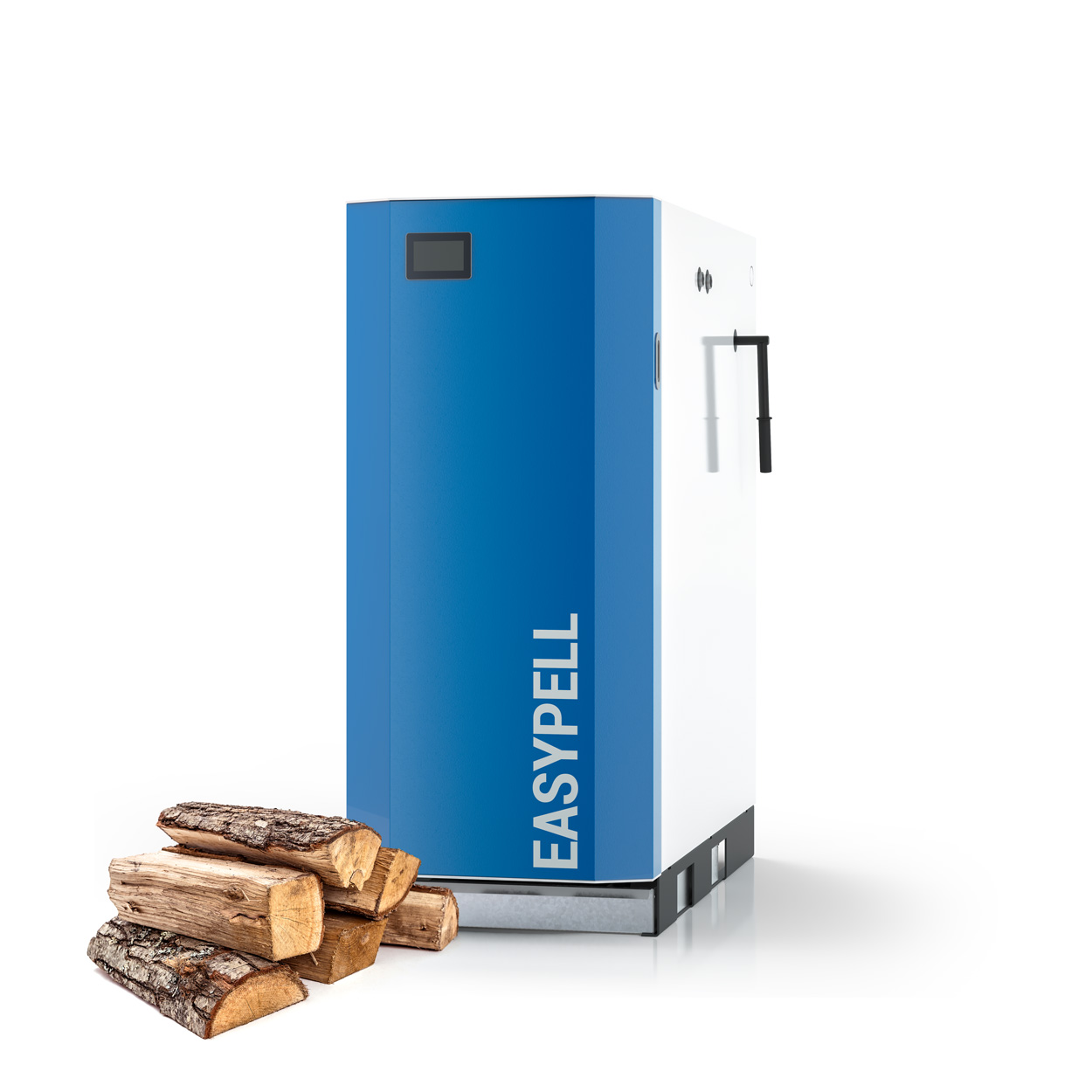
A wood boiler burns split logs in a large combustion chamber and uses controlled wood‑gasification to extract maximum energy. Sensors and regulated air supply ensure efficient and clean combustion throughout the entire heating cycle.
The boiler accepts logs up to 55 cm in length. The large loading door makes filling the combustion chamber easy and comfortable.
Refilling frequency depends on your heat demand. Thanks to the 120‑liter filling chamber, the boiler can run for several hours without needing additional wood.
Yes. The boiler offers both immediate and delayed automatic ignition, reducing manual effort and increasing comfort during daily operation.
A buffer tank is highly recommended. It increases efficiency, extends the time between refills, and ensures stable heat supply even when the boiler is not actively burning.

PLEASE CONTACT US
Do you want a personal consultation, free information about our products or simply have a question?
Contact us